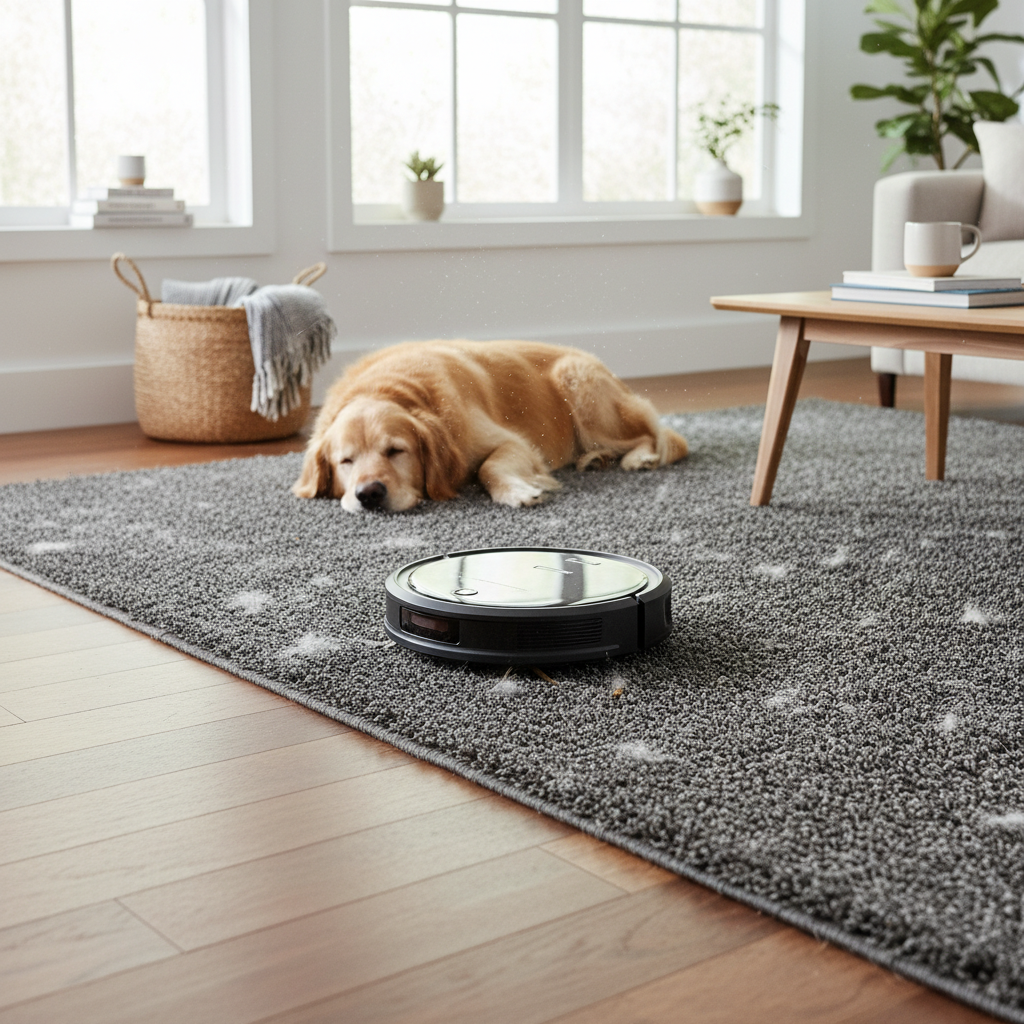
The quest for pristine floors often leads homeowners to advanced cleaning solutions, and robot mops have revolutionized daily tidying. These autonomous devices promise sparkling surfaces without the physical exertion of traditional mopping. As the technology evolves, two primary mopping mechanisms have emerged as front-runners: rotating (or spinning) mops and vibrating (or sonic) mops. Understanding the nuances of each can be the key to selecting the perfect floor-cleaning companion for your home.
Robot Vacuum Mop: An Introduction to Automated Floor Cleaning
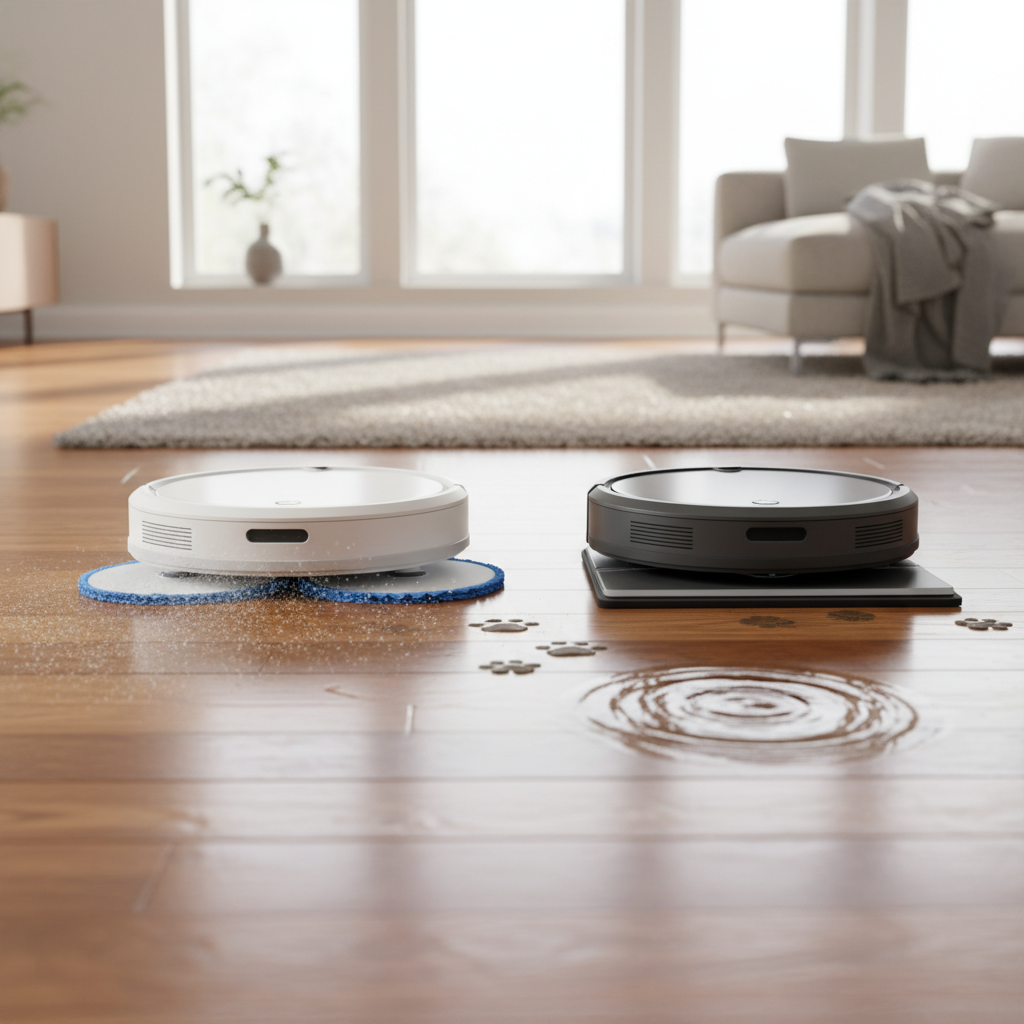
Robot vacuum cleaners with mopping capabilities are sophisticated devices designed to automate the process of sweeping, vacuuming, and wet cleaning hard floors. They typically navigate your home, spray water or cleaning solution, and then physically wipe or scrub the floor using specialized pads. The evolution of these machines has been rapid, moving from simple damp pads dragged across the floor to advanced systems that actively scrub and polish. Today, the choice often boils down to how these robots tackle grime: through vigorous rotation or high-frequency vibration.
The market generally features three main types of mopping systems in robot vacuums:
- Fixed Wet Pads: The most basic, these merely drag a damp cloth.
- Vibrating Mops: Pads oscillate rapidly to agitate stains.
- Rotating Mops: Pads spin to apply scrubbing pressure.
- Roller Mops: An emerging, often premium, option with cylindrical rollers that continuously clean themselves. While our focus here is on rotating versus vibrating, roller mops represent a significant leap in deep-cleaning capability, often found in high-end models.
The Unmistakable Benefits of Using a Robot Mop
Integrating a robot mop into your cleaning routine offers a wealth of advantages. Primarily, these devices dramatically reduce the time and effort you spend on floor maintenance, allowing for more frequent cleaning without lifting a finger. Robot mops ensure consistent cleanliness, tackling everyday dust, dirt, and minor spills before they accumulate into stubborn messes. They are versatile, designed to operate effectively on various hard floor types, from hardwood to tile and laminate. Beyond the visible cleanliness, regular mopping can contribute to improved indoor air quality by capturing fine dust and allergens that might otherwise circulate in the air.
Rotating Mops: The Power of Scrubbing
Rotating mops, also known as spinning mops, employ a mechanism where two circular pads spin rapidly against the floor. This action mimics the back-and-forth scrubbing motion of manual mopping, applying both rotational force and downward pressure to lift dirt and grime.
How Rotating Mops Work
|
Our Picks for the Best Robot vacuum cleaner in 2026
As an Amazon Associate I earn from qualifying purchases.
|
||
| Num | Product | Action |
|---|---|---|
| 1 | Robot Vacuum and Mop, Mapping Robotic Vacuums Cleaner with LiDAR Navigation Smart & Strong Suction, WiFi/App/Alexa/Voice Control, Obstacle Avoidance, for Home, Wood/Hard Floors, Pet Hair -Gray |

|
| 2 | SHELIKI Robot Vacuum and Mop Combo, 3-in-1 Robotic Vacuums Cleaner with 70-Day Self-Emptying Base, LiDAR Navigation Smart Mapping & Strong 6000Pa Suction, for Pet Hair, Hard Floor, Carpet |
|
| 3 | ILIFE V2 Robot Vacuum Cleaner, Tangle-Free Suction, 120 Mins Runtime, Slim, Self-Charging Robotic Vacuum Cleaner, Ideal for Pet Hair and Hard Floors |
|
| 4 | Shark Matrix Clean | Robot Vacuum Cleaner with Powerful Suction for Pet Hair, Rugs, Carpets & Hard Floors | Self-Empty Base | 60-Day Capacity | Voice Control | LiDAR Navigation | Cool Grey | AV2511AE |
|
| 5 | eufy Robot Vacuum 11S MAX, Super Thin, Powerful Suction, Quiet, Self-Charging Robotic Vacuum Cleaner, Cleans Hard Floors to Medium-Pile Carpets, Black |
|
| 6 | roborock Qrevo Series Robot Vacuum and Mop, 8000Pa Suction, Upgraded from Qrevo S, Anti-Tangle Brushes, Smart Obstacle Avoidance, Auto Mop Washing, All-in-One Dock, 200RPM Spinning Mops, Black(QV 35A) |
|
| 7 | Tikom Robot Vacuum and Mop, 6000Pa Robotic Vacuum Cleaner with Self-Emptying Base, 90 Days Capacity, LiDAR Navigation, Home Mapping, Ideal for Pet Hair, Hard Floors, Carpet (L8000 Plus) |
|
| 8 | Robot Vacuum and Mop Combo, 2 in 1 Robot Vacuum Cleaner with WiFi/App, Smart Robotic Vacuums with Strong Suction, Schedule, Self-Charging, Slim, Quiet, Ideal for Hard Floor, Pet Hair, Low Pile Carpet |
|
| 9 | roborock Q7 M5+ Robot Vacuum and Mop, Upgraded from Q5 Max+, Up to 7-9 Weeks Self-Empty, 10000Pa Suction, Dual Anti-Tangle System for Pet Hair & Carpet, PreciSense LiDAR Navigation, App Control, Black |
|
| 10 | Tikom Robot Vacuum and Mop Combo, 5000Pa Robotic Vacuum Cleaner, 150 Min Max, App & Remote Control, Ideal for Hard Floor, Carpet, Pet Hair, Self-Charge(G8000 Max) |
|
Typically, robot vacuums with rotating mops feature two or more circular microfiber pads located at the rear of the device. As the robot moves, these pads are moistened with water or cleaning solution and then spin at high RPMs. This spinning action generates mechanical pressure against the floor, allowing the pads to actively scrub away dirt, rather than just dampening and wiping. Many models include a self-cleaning base station that washes and dries the pads between cleaning sessions or when they become dirty, ensuring clean pads are always used.
Advantages of Rotating Mops
Rotating mops excel in providing a more aggressive scrub, which is particularly effective for daily maintenance and tackling common, lightly adhered dirt. The direct scrubbing action can be quite efficient at breaking down fresh spills and everyday grime. Furthermore, the simple design for pad attachment and detachment often makes maintenance straightforward, as pads can be easily removed for washing. “Spinning mops clean very well, and the mechanism required to maintain them in the dock is very simple and effective. About once per month, one has to remove the mop tray from the dock, take it apart into its three pieces, and rinse them well in a sink. This is a three minute, very easy job,” notes one expert user.
Disadvantages of Rotating Mops
Despite their scrubbing power, rotating mops can face challenges with heavily dried, sticky messes or very large spills, sometimes smearing the mess rather than fully containing it. While some can reach edges well, the circular nature of the pads may leave small uncleaned areas in tight corners if the robot’s navigation doesn’t compensate with specific edge-cleaning algorithms. They might also require multiple passes to fully clean particularly stubborn spots.
Vibrating Mops: The Sonic Agitation Approach
Vibrating mops, often marketed as sonic mops or VibraRise, utilize a flat pad that oscillates rapidly across the floor. Instead of spinning, this technology focuses on high-frequency vibrations to agitate and loosen dirt and stains.
How Vibrating Mops Work
Robot mops equipped with vibrating technology typically use a flat mop pad that is kept damp. A motor within the robot causes this pad to vibrate at a very high frequency, creating a sonic scrubbing effect on the floor’s surface. This rapid oscillation works to break up dirt, grime, and some dried stains. The vibration, coupled with moisture, helps lift contaminants without the direct rotational force of spinning pads. Some advanced models can even apply significant downward pressure in conjunction with vibrations for enhanced cleaning.
Advantages of Vibrating Mops
Vibrating mops are highly effective for general cleaning and are particularly adept at removing common household stains and fresh spills. The high-frequency agitation can be quite thorough for routine cleaning, contributing to consistently clean floors. In some tests, vibrating mops have shown impressive results on tough stains like chocolate syrup and lipstick, removing them in a single pass due to strong vibrations. Their design can sometimes allow for better edge cleaning depending on the pad’s shape and robot’s navigation, though this can vary by model.
Disadvantages of Vibrating Mops
While effective for daily maintenance, vibrating mops may struggle with heavily dried, sticky residues that require more aggressive mechanical scrubbing. The primary reliance on agitation and moisture might not be enough to fully break up deeply embedded grime in one go. Maintenance for vibrating mop systems can sometimes be more complex, as the intricate mechanisms in the dock designed to clean these pads may require more frequent attention to prevent clogging. There have also been user reports of the vibrating modules being prone to issues over time.
“For most people spinning or vibrating works fine, the difference is in maintenance. If you have pets with muddy paws or baby mess etc then roller mops will help better for sure. Maintenance is the trade off here.” – Xeon2k8, Robot Vacuum Enthusiast
Key Features to Consider When Choosing a Robot Mop
When deciding between a rotating and vibrating mop robot, several factors should influence your choice:
- Cleaning Performance: For everyday dust and light grime, both systems are generally effective. For slightly tougher, dried-on stains, rotating mops with their direct scrubbing action can sometimes have an edge, though high-quality vibrating mops can also perform well. If you frequently encounter very sticky, dried messes, you might need to consider a robot with roller mops or prepare for multiple passes or manual pre-cleaning.
- Floor Types: Both types are suitable for hard floors like tile, sealed hardwood, and laminate. Always check the manufacturer’s recommendations for specific floor materials and cleaning solutions.
- Edge and Corner Cleaning: Assess how well the robot’s design allows its mop pads to reach into corners and along edges. Some robots employ specific maneuvers or extendable pads for improved edge cleaning.
- Self-Cleaning and Maintenance: Evaluate the base station’s capabilities. Does it automatically wash, refill, and dry the mop pads? Consider the ease of cleaning the dirty water tank and the mop components itself. Simpler spinning pad docks might offer easier maintenance compared to more complex vibrating pad cleaning mechanisms.
- Noise Level: While generally quieter than full-sized vacuums, the operational noise can vary between systems. Vibrating mechanisms can sometimes cause the robot to shake, potentially increasing perceived noise.
- Water Management: Look for features like electronic water flow control to adjust moisture levels for different floor types and dirtiness. Adequate water tank capacity is also important for larger homes.
- Carpet Avoidance/Lifting: If you have mixed flooring with carpets, ensure the robot can detect and avoid carpeting while mopping, or, ideally, lift its mop pads high enough to prevent wetting your rugs.
Comparison: Rotating Mops vs. Vibrating Mops
Choosing between rotating and vibrating mop technologies often comes down to your specific cleaning needs and priorities.
Rotating Mops are generally favored for their aggressive scrubbing action, which effectively tackles surface dirt and light stains with direct mechanical force. They are excellent for maintaining a consistent level of cleanliness on hard floors and can feel more like a traditional hand-scrub. Their self-cleaning mechanisms are often simpler and easier to maintain. However, they may struggle with deeply embedded or very sticky dried messes, potentially smearing them.
Vibrating Mops excel in providing high-frequency agitation that dislodges grime. They are particularly good for general maintenance and can be surprisingly effective on certain dried stains, especially those that benefit from persistent, sonic loosening. While some models boast impressive stain removal, the overall scrubbing power might be less intense than a rotating mop for very stubborn, caked-on dirt. Their self-cleaning docks can sometimes be more intricate, requiring more diligent maintenance.
Ultimately, “Robot vacs are maintenance machines. They have to be run often in order to be effective.” Neither system is a magic bullet for heavily soiled floors, which typically require manual intervention or a more robust cleaning device. For routine upkeep, both offer significant convenience.
Detailed Comparison Table: Rotating Mops vs. Vibrating Mops
| Criterion | Rotating Mops | Vibrating Mops |
|---|---|---|
| Cleaning Mechanism | Pads spin rapidly, applying scrubbing pressure. | Flat pad oscillates at high frequency for agitation. |
| Scrubbing Intensity | Moderate to high (direct mechanical scrub). | Moderate (sonic agitation and moisture). |
| Effectiveness on Dried Stains | Good for light to moderate, may smear heavy stains. | Good for light to moderate, can struggle with sticky residues. |
| Effectiveness on Fresh Spills | Generally good, but large spills can be challenging. | Generally good for quick absorption and agitation. |
| Edge/Corner Cleaning | Can be good with proper navigation, but circular pads may miss tight spots. | Can be effective depending on pad shape and robot design. |
| Maintenance & Self-Cleaning | Generally simpler self-cleaning dock mechanisms, easy pad removal. | Dock mechanisms can be more complex, potentially requiring more maintenance. |
| Water Usage | Typically efficient. | Efficient, relies on moisture + vibration. |
| Noise Level | Generally quieter than roller mops. | Can be slightly louder due to vibration, some models visibly shake. |
| Ideal Use Case | Regular maintenance, light scrubbing, fresh dirt. | Regular maintenance, agitating surface grime, certain dried stains. |
The Rise of Roller Mops: A Glimpse into the Future
While our primary comparison focuses on rotating and vibrating pads, it’s crucial to acknowledge the advent of roller mop systems. These represent a newer, often premium, technology that features cylindrical rollers that rotate and often continuously self-clean by scraping grime into an internal dirty water tank. Roller mops are gaining traction for their superior cleaning performance on tough stains, spills, and larger areas, thanks to higher downward force and continuous dirty water removal, mimicking traditional floor scrubbers. They are excellent for muddy paw prints, liquid spills, and reducing streaking. However, they typically require more maintenance due to the internal dirty water tanks and can be louder and use more water than their spinning or vibrating counterparts.
Guiding Your Purchase: How to Buy the Right Robot Mop
Choosing the best robot mop requires careful consideration of your home environment and cleaning habits.
- Assess Your Cleaning Needs: Do you have pets that track in mud, or young children prone to spills? For daily light cleaning, both rotating and vibrating mops are suitable. For more stubborn, dried-on messes, a rotating mop might offer a slightly more aggressive scrub, or you might consider the emerging roller mop systems for truly challenging grime.
- Evaluate Features: Look beyond the mopping mechanism. Consider battery life for your home size, advanced navigation (LIDAR, camera-based) for efficient cleaning paths and obstacle avoidance, and smart features like app control, scheduled cleaning, and no-go zones. Automatic mop lifting or carpet detection is vital for homes with mixed flooring.
- Read Reviews and Comparisons: Consult independent reviews and user experiences. Pay attention to how different models perform on the specific types of floors and messes you have. User testimonials often highlight real-world performance and maintenance challenges.
- Consider Your Budget: Robot mops come in a wide price range. While premium models offer the latest features and often superior cleaning, there are many effective options in the mid-range for those on a tighter budget.
- Brand Reputation and Support: Choose reputable brands known for durability and good customer service. This ensures you’ll have support if issues arise.
Conclusion
The evolution of robot mops has presented consumers with two formidable contenders for automated floor cleaning: rotating and vibrating systems. Rotating mops deliver a powerful, scrubbing action, ideal for everyday dirt and quick clean-ups, leveraging mechanical force to lift grime. Vibrating mops, on the other hand, employ high-frequency sonic agitation, proving effective for a wide range of stains through persistent, gentle scrubbing. While both technologies offer remarkable convenience and contribute significantly to maintaining cleaner homes, their subtle differences in cleaning methodology and maintenance requirements cater to varying household needs. The emerging roller mop technology also points towards even more advanced deep-cleaning capabilities for the future.
Ultimately, the best choice depends on your floor types, the nature of common messes in your home, and your willingness to engage in maintenance. Do you prioritize aggressive scrubbing or consistent agitation for a pristine finish?
Frequently Asked Questions
Which robot mop is better for pet hair and paw prints?
For general pet hair, the vacuuming component of a 2-in-1 robot is most crucial. For paw prints, especially dried muddy ones, rotating mops may offer a more direct scrubbing action, while roller mops are specifically noted for superior performance on such tough, sticky messes.
Can robot mops clean dried coffee stains?
Rotating mops can actively scrub dried coffee edges and lift stains with mechanical pressure, often performing better than vibrating mops which might only dampen and lightly agitate. However, for truly stubborn, long-dried stains, manual spot cleaning or multiple passes by any robot mop may be required.
How often should I run my robot mop?
For optimal results and to maintain consistently clean floors, it’s recommended to run your robot mop frequently, ideally three times a week. Consistent use prevents dirt and grime from building up, making each cleaning cycle more effective.
Do robot mops replace manual mopping entirely?
While robot mops significantly reduce the need for manual mopping, they generally function best as “floor polishers” or maintenance tools rather than deep cleaners for very heavy messes. Most experts agree that for truly deep cleaning or tackling significant spills, occasional manual intervention is still beneficial.
Are robot mops safe for hardwood floors?
Yes, most robot mops are safe for sealed hardwood floors. Look for models with adjustable water flow settings to control the amount of moisture applied, preventing over-wetting. Always ensure your hardwood floors are properly sealed before using any wet mopping device.