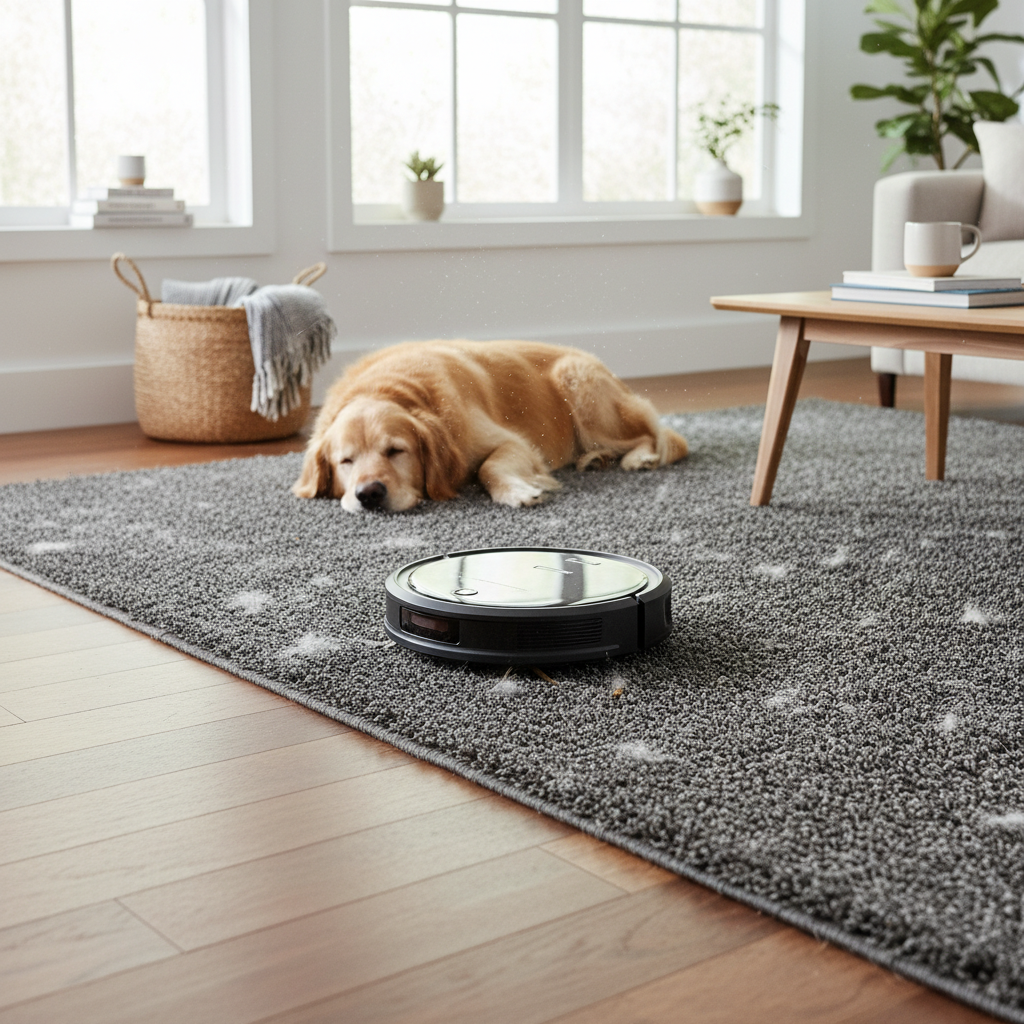
Tired of the constant battle against dust accumulation in tile crevices and the stubborn grime that embeds itself in grout lines? Maintaining pristine tile floors, especially those with intricate grout, can feel like a never-ending chore. While tiles offer durability and a sleek aesthetic, their textured surfaces and recessed grout demand specific cleaning solutions. Fortunately, modern robot vacuum cleaners are stepping up to the challenge, offering advanced technologies designed to tackle these very issues, liberating you from daily scrubbing. This comprehensive guide will navigate the world of robot vacuum cleaners, helping you identify the perfect model to keep your tile and grout sparkling effortlessly.
What is a Robot Vacuum Cleaner?
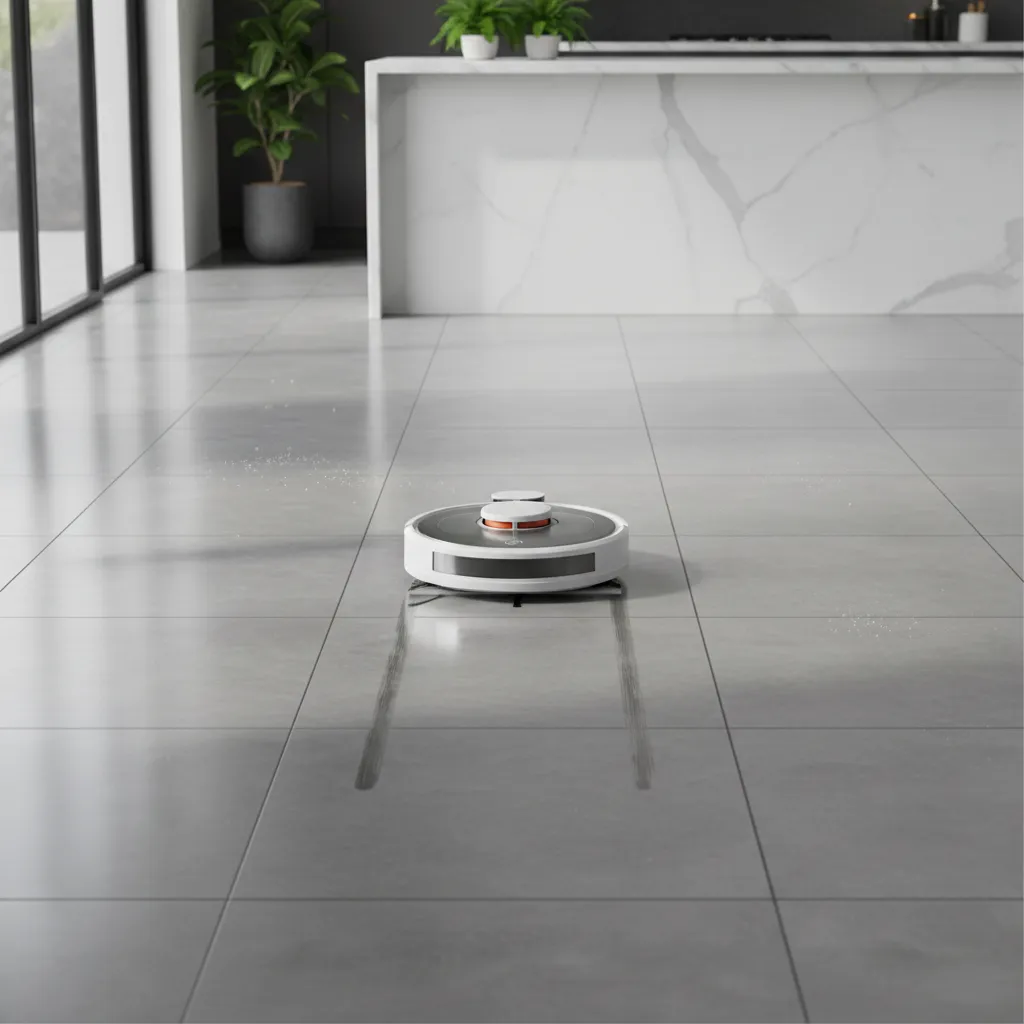
A robot vacuum cleaner is an autonomous cleaning device designed to navigate your home independently, sweeping, vacuuming, and often mopping various floor types. These smart appliances utilize sensors, mapping technology, and powerful motors to clean without direct human intervention. From their humble beginnings as simple sweepers, robot vacuums have evolved into sophisticated machines capable of intricate tasks, combining multiple cleaning functions to provide a truly hands-free experience. Today’s market offers a range of options, from vacuum-only models for basic dry cleaning to advanced hybrid units that seamlessly transition between vacuuming and wet mopping.
Benefits of Using a Robot Vacuum Cleaner
Integrating a robot vacuum cleaner into your home offers a multitude of advantages, particularly for households with significant tile and grout flooring. These devices are more than just gadgets; they are smart cleaning companions that enhance your living environment.
Firstly, they deliver unparalleled time and effort savings. Imagine coming home to freshly cleaned floors without lifting a finger; robot vacuums handle routine maintenance, freeing up your valuable time for other activities. Their ability for automatic and continuous cleaning means you can schedule daily cleanings, preventing dirt, dust, and pet hair from accumulating and settling into grout lines. This consistent upkeep significantly reduces the need for intensive deep cleaning sessions.
Robot vacuums are highly suitable for various floor types, making them ideal for homes with a mix of hard surfaces, especially tile, ceramic, and porcelain. Many advanced models feature specialized brushes and suction settings optimized for these materials. Furthermore, by regularly capturing dust and allergens, these cleaners contribute to an improved indoor air quality, a significant benefit for allergy sufferers and pet owners alike. Beyond the obvious, their compact design allows them to reach hard-to-reach areas like under beds, sofas, and other furniture, places often neglected during manual cleaning. Lastly, for those with furry friends, robot vacuums are excellent at pet hair control, keeping stray hairs at bay and maintaining a tidier home between full cleanings.
Key Features to Consider for Tile and Grout
When selecting the best robot vacuum cleaner for your tile floors and grout, certain features become paramount. The unique challenges of tile surfaces—smooth yet often textured, with recessed grout lines—demand specialized capabilities.
- Floor Type Compatibility: Ensure the robot vacuum is explicitly designed for hard floors like ceramic, porcelain, and natural stone tiles. Many modern hybrids excel in this area, often with specific settings for hard surfaces.
- House Size and Layout: The robot’s battery life and navigation system should match your home’s dimensions. Larger homes require longer battery life and advanced mapping to cover all areas efficiently.
- Battery Life: Look for models with sufficient run time to complete a full cleaning cycle on your tile areas without needing to recharge mid-task. Many advanced robots can automatically return to their base to recharge and then resume cleaning.
- Navigation System: Advanced navigation systems, such as LiDAR (laser), vSLAM (camera-based), or intelligent bumper sensors, are crucial. These allow the robot to map your home accurately, avoid obstacles, and clean in efficient, systematic patterns, ensuring thorough coverage of all tile and grout.
- Connectivity: Wi-Fi connectivity, coupled with a robust smartphone app, offers unparalleled control. You can schedule cleanings, define virtual no-go zones (to protect delicate items or rugs), designate specific cleaning areas (like the kitchen), and even integrate with voice assistants like Alexa or Google Home for hands-free operation.
- Suction Power: This is arguably the most critical feature for grout cleaning. High suction power, often measured in Pascals (Pa), is essential to pull embedded dirt, dust, and tiny debris from deep within grout lines and tile textures. Look for models with at least 2500Pa, with 5000Pa or higher being excellent for deep cleaning performance on grout. Adjustable suction settings are a bonus, allowing you to increase power for stubborn areas.
- Brush Types: For tile floors, rubber rollers are generally superior. They are less likely to scratch delicate surfaces, effectively pick up pet hair without tangling, and can agitate dirt from grout more efficiently than traditional bristle brushes, which can sometimes scatter debris on hard floors. Some robots feature a combination of rubber and bristle brushes for versatile cleaning.
- Mopping Capabilities: For truly clean tile and grout, a robot vacuum with robust mopping capabilities is indispensable.
- Hybrid Models: Many top-tier robots offer both vacuuming and mopping functions, often simultaneously.
- Mop Technology: Look for advanced mopping systems such as sonic vibration (which scrubs stains, like on the Roborock S8 MaxV Ultra), SmartScrub techniques (where the mop forcefully pushes back and forth, as seen in the iRobot Roomba Combo j9+), or dual spinning pads (like the Samsung Jet Mop).
- Roller Mops: Some models, such as the MOVA Z50 Ultra or Dreame Aqua 10 Pro Track, use roller mops, which can be particularly effective for reaching into grout lines due to their design and the downward pressure they apply.
- Water Management: Precise water distribution and adjustable water flow (offered by brands like Ecovacs DEEBOT) are vital to prevent over-wetting delicate grout or laminate. Features like warm water mopping can also enhance cleaning power against stubborn stains.
- Mop Lifting/Carpet Detection: For homes with mixed flooring, automatic mop lifting or intelligent carpet detection is essential to prevent wetting carpets while mopping tile.
- Cleaning Solutions: Some premium models, like the Roomba Combo j9+, allow you to use specific cleaning solutions for enhanced sanitization and shine.
- Filtration System: A high-efficiency particulate air (HEPA) filter is recommended to capture fine dust, allergens, and pet dander, ensuring cleaner air in your home.
- Special Features:
- Self-Emptying Dustbins and Self-Washing/Drying Mop Pads: These features significantly reduce manual intervention, providing a truly hands-free cleaning experience. Some docking stations even auto-refill the robot’s clean water tank.
- Edge Cleaning: Look for models with extending side brushes or specialized edge-mopping capabilities (e.g., Roborock S8 MaxV Ultra) to ensure thorough cleaning along walls and into corners, where dirt often accumulates.
Comparing Robot Vacuum Cleaner Price Segments for Tile Floors
The market for robot vacuum cleaners is vast, with options available across various price points. Understanding what to expect from each segment can help you align your budget with your cleaning needs for tile and grout.
Budget Segment (Under $400)
Robot vacuums in this category typically offer basic navigation (sometimes random paths or simple bumper sensors), decent dry vacuuming, and often a very rudimentary mopping function that might just wipe the floor with a damp cloth. They usually have standard suction power suitable for light dust and debris on smooth tile but may struggle with deep grout lines or dried-on stains. They might lack advanced mapping features, auto-empty bins, or advanced obstacle avoidance.
- Pros: Affordable entry point, good for daily upkeep of lightly soiled smooth tiles, can tackle basic dust and pet hair.
- Cons: Limited deep cleaning of grout, less efficient navigation, fewer smart features, smaller dustbins, and basic mopping.
- Best for: Small apartments or specific rooms with predominantly smooth tile floors and minimal grout, for users new to robot vacuums who need basic assistance. An example is the Yeedi Vac Max, often found around $350.
|
Our Picks for the Best Robot vacuum cleaner in 2026
As an Amazon Associate I earn from qualifying purchases.
|
||
| Num | Product | Action |
|---|---|---|
| 1 | Robot Vacuum and Mop, Mapping Robotic Vacuums Cleaner with LiDAR Navigation Smart & Strong Suction, WiFi/App/Alexa/Voice Control, Obstacle Avoidance, for Home, Wood/Hard Floors, Pet Hair -Gray |

|
| 2 | SHELIKI Robot Vacuum and Mop Combo, 3-in-1 Robotic Vacuums Cleaner with 70-Day Self-Emptying Base, LiDAR Navigation Smart Mapping & Strong 6000Pa Suction, for Pet Hair, Hard Floor, Carpet |
|
| 3 | Shark Matrix Clean | Robot Vacuum Cleaner with Powerful Suction for Pet Hair, Rugs, Carpets & Hard Floors | Self-Empty Base | 60-Day Capacity | Voice Control | LiDAR Navigation | Cool Grey | AV2511AE |
|
| 4 | roborock Q7 M5+ Robot Vacuum and Mop, Upgraded from Q5 Max+, Up to 7-9 Weeks Self-Empty, 10000Pa Suction, Dual Anti-Tangle System for Pet Hair & Carpet, PreciSense LiDAR Navigation, App Control, Black |
|
| 5 | eufy Robot Vacuum 11S MAX, Super Thin, Powerful Suction, Quiet, Self-Charging Robotic Vacuum Cleaner, Cleans Hard Floors to Medium-Pile Carpets, Black |
|
| 6 | ILIFE V2 Robot Vacuum Cleaner, Tangle-Free Suction, 120 Mins Runtime, Slim, Self-Charging Robotic Vacuum Cleaner, Ideal for Pet Hair and Hard Floors |
|
| 7 | Tikom Robot Vacuum and Mop Combo, 5000Pa Robotic Vacuum Cleaner, 150 Min Max, App & Remote Control, Ideal for Hard Floor, Carpet, Pet Hair, Self-Charge(G8000 Max) |
|
| 8 | Robot Vacuum and Mop Combo, 2 in 1 Robot Vacuum Cleaner with WiFi/App, Smart Robotic Vacuums with Strong Suction, Schedule, Self-Charging, Slim, Quiet, Ideal for Hard Floor, Pet Hair, Low Pile Carpet |
|
| 9 | roborock Qrevo Series Robot Vacuum and Mop, 8000Pa Suction, Upgraded from Qrevo S, Anti-Tangle Brushes, Smart Obstacle Avoidance, Auto Mop Washing, All-in-One Dock, 200RPM Spinning Mops, Black(QV 35A) |
|
| 10 | Tikom Robot Vacuum and Mop, 6000Pa Robotic Vacuum Cleaner with Self-Emptying Base, 90 Days Capacity, LiDAR Navigation, Home Mapping, Ideal for Pet Hair, Hard Floors, Carpet (L8000 Plus) |
|
Mid-Range Segment ($400 – $800)
This segment introduces more sophisticated features that significantly enhance tile and grout cleaning. You’ll find improved navigation systems (like LiDAR), stronger suction power (often 3000-5000Pa), and more effective mopping capabilities, possibly with vibrating pads or better water control. Many models offer app control for mapping, virtual walls, and zone cleaning. Some might include an auto-empty dustbin, though full self-cleaning docks are less common.
- Pros: Good balance of price and performance, stronger suction for better grout cleaning, intelligent navigation, useful app features, and more effective mopping.
- Cons: Advanced mopping features might not match premium models, still might require some manual intervention for mop pad cleaning.
- Best for: Medium-sized homes with a good amount of tile flooring and noticeable grout lines, pet owners, and users seeking a more integrated smart cleaning experience. The Shark AI Ultra 2-in-1, often available under $450, is a strong contender in this range.
Premium Segment (Over $800)
These are the titans of tile and grout cleaning, packed with cutting-edge technology. Expect exceptionally high suction (5000Pa+), advanced mopping systems (sonic vibration, SmartScrub, active roller mops, warm water options), and comprehensive self-cleaning docking stations that auto-empty dust, wash and dry mop pads, and refill water tanks. Superior navigation, AI-powered obstacle avoidance, and precise zone cleaning are standard. These robots are designed for a truly hands-off, deep-cleaning experience.
- Pros: Unrivaled cleaning performance on tile and grout, advanced stain removal, maximum automation and convenience, intelligent features like carpet detection and edge cleaning.
- Cons: Significant investment.
- Best for: Large homes with extensive tile and grout, discerning users who demand the absolute best performance and convenience, heavy pet owners, and those wanting minimal interaction with their cleaning device. The iRobot Roomba Combo j9+ and Roborock S8 MaxV Ultra are prime examples, offering top-tier performance for challenging tile and grout.
Top Robot Vacuum Cleaners for Tile Floors and Grout
Choosing the right robot vacuum can transform your tile cleaning routine. Here are some of the most highly-regarded models that excel on tile floors and tackle stubborn grout lines.
iRobot Roomba Combo j9+
The iRobot Roomba Combo j9+ is a standout for tile floors, especially when dealing with dried-on stains and the unique challenges of grout. This hybrid unit combines the brand’s renowned vacuuming power with advanced mopping capabilities. Its “SmartScrub” technique forcefully pushes the mop back and forth, effectively eating at stubborn dried stains, water marks, and mystery kitchen residue. A significant advantage is its ability to use the cleaning solution of your choice, allowing for tailored sanitization. The j9+ also features superior obstacle avoidance, strong suction, and a robust self-emptying and auto-refilling dock, which holds enough water for 30 days of mopping and empties the dustbin.
Roborock S8 MaxV Ultra / S8 Pro Ultra
For those seeking the pinnacle of hands-off cleaning, the Roborock S8 MaxV Ultra (or its predecessor, the S8 Pro Ultra) is an exceptional choice. This premium robot vacuum cleaner and sonic mop features sonic vibration technology that scrubs floors at high speeds, making it highly effective against grime embedded in grout. A standout feature is its auto-lift mop pad, which raises itself when carpet is detected, ensuring your rugs stay dry. The S8 MaxV Ultra further boasts an extending side brush and rotating side mop, allowing it to clean tight corners and along walls more effectively than many competitors. Its intelligent docking station handles everything: auto-emptying the dustbin, washing and drying the mop pads with warm water, and refilling the clean water tank, providing a truly self-sufficient cleaning experience.
Narwal Freo X Ultra
Narwal has made a significant mark with its advanced robot vacuums, and the Freo X Ultra is particularly well-suited for tile floors and grout. It offers impressive suction power, crucial for lifting debris from textured tiles and grout lines. The Freo X Ultra features advanced navigation and duo cleaning modes, ensuring comprehensive coverage and deep cleaning. Its emphasis on intelligent floor-type detection and strong scrubbing capabilities makes it highly effective against tile-specific challenges, leaving your hard floors spotless. The self-cleaning station adds to the convenience, maintaining the mop pads for optimal performance.
Eufy S1 Pro Omni
The Eufy S1 Pro Omni is another formidable option, boasting a powerful 8,000Pa suction—among the highest on the market—which is fantastic for extracting dirt from deep grout lines. Coupled with its “HydroJet mopping” system, it provides a hygienic shine to tile floors. The all-in-one station features automatic dustbin emptying, mop washing, and drying, minimizing user intervention. Its strong cleaning performance and user-friendly app control make it a compelling choice for maintaining spotless tile and grout with minimal effort.
Detailed Comparison Table: Top Robot Vacuum Cleaners for Tile
| Criteria | iRobot Roomba Combo j9+ | Roborock S8 MaxV Ultra | Narwal Freo X Ultra | Eufy S1 Pro Omni |
|---|---|---|---|---|
| Price (Approx.) | $1,400 | $1,800 | $1,300 | $1,200 |
| Floor Type | Tile, Hardwood, Carpet | Tile, Hardwood, Carpet | Tile, Hardwood, Carpet | Tile, Hardwood, Carpet |
| Area Suitability | Medium to Large Homes | Large Homes, Complex Layouts | Medium to Large Homes | Medium to Large Homes |
| Battery Life | Excellent (long runtime) | Excellent (long runtime) | Excellent (long runtime) | Excellent (long runtime) |
| Navigation System | iAdapt 2.0, Smart Mapping, Obstacle Avoidance | LiDAR, Reactive AI, Carpet Recognition | LiDAR, Smart Mapping, AI Recognition | LiDAR, Smart Mapping, Obstacle Avoidance |
| Suction Power | Strong (Roomba s9+ level) | Extremely Strong (8,000-10,000Pa) | Very Strong (8,200Pa) | Extremely Strong (8,000Pa) |
| Filtration | High-Efficiency Filter | HEPA Filter | HEPA Filter | High-Efficiency Filter |
| Special Features | SmartScrub mopping, uses cleaning solution, retractable mop, auto-empty/refill dock | Sonic mopping, auto-lift mop, extending side brush/mop, auto-empty/wash/dry dock, warm water wash | Auto-empty, auto-wash/dry mop pads, smart floor detection, “Freo Mode” | HydroJet mopping, auto-empty/wash/dry dock, advanced app control |
| Pros | Exceptional for dried stains, versatile cleaning solution use, great obstacle avoidance. | Superior edge cleaning, advanced mop washing/drying, powerful suction, fully autonomous. | High suction, smart floor type detection, comprehensive mopping capabilities. | Very powerful suction, effective mopping, all-in-one self-cleaning station. |
| Cons | Very high price point, dock is quite large. | Highest price point, complex features might be overkill for some. | Less emphasis on sonic/vibrating mop tech compared to Roborock/iRobot. | App can be less refined than competitors, newer to premium segment. |
How to Buy the Best Robot Vacuum Cleaner for Your Tile Floors
Making an informed decision about a robot vacuum for your tile floors requires careful consideration of your specific needs and priorities.
- Identify Your Needs: Start by assessing your home. What type of tile do you have (smooth ceramic, textured porcelain, natural stone)? How wide and deep are your grout lines? Do you have pets that shed a lot? What is the total area of your tile flooring, and what’s your budget?
- Prioritize Features for Tile and Grout: For tile, prioritize models with high suction power (over 4000Pa is ideal for grout), robust mopping capabilities (sonic, scrubbing, or roller mops are best), and rubber brush rolls. Features like adjustable water flow and carpet detection are also crucial for optimal performance and floor protection.
- Read Reviews and Comparisons: Consult independent reviews, like those from reputable tech or cleaning publications, focusing on performance specifically on tile and grout. User reviews can offer valuable real-world insights into a robot’s durability and effectiveness.
- Consider the Ecosystem: If you already own other smart home devices, check for compatibility. A robot vacuum that integrates seamlessly with your existing smart home system can enhance convenience.
- Purchase from Reputable Stores: Buy from authorized retailers or major e-commerce platforms that offer reliable customer support, warranty options, and transparent return policies. This is especially important for higher-priced, technologically advanced devices.
- Check the Return Policy: If possible, choose a retailer with a flexible return policy. This allows you to test the robot vacuum in your own home environment to ensure it meets your expectations for cleaning your specific tile and grout.
“For tile floors, especially with challenging grout, the combination of powerful suction to lift dry debris and an aggressive mopping system that applies downward pressure or scrubs is non-negotiable.” – Dr. Emily R. Thorne, Home Robotics Engineer
Conclusion
The evolution of robot vacuum cleaners has brought remarkable solutions for maintaining tile floors and tackling the persistent challenge of dirty grout. By understanding the critical features—such as high suction power, specialized rubber brush rolls, and advanced mopping technologies like sonic scrubbing or active roller mops—you can select a device that delivers exceptional results. These intelligent cleaners not only vacuum away daily grime but also actively work to restore the shine to your tiles and meticulously clean those stubborn grout lines, offering a level of convenience and cleanliness that manual methods struggle to match. Investing in the right robot vacuum cleaner means reclaiming your time and ensuring your tile floors remain spotless and hygienic with minimal effort. Which advanced feature are you most excited to bring into your tile cleaning routine?
Frequently Asked Questions
Do robot vacuums scratch tile floors?
No, reputable robot vacuums are designed to be safe for sealed ceramic and porcelain tile floors. Models equipped with soft rubber rollers are particularly gentle, minimizing any risk of scratching while effectively cleaning both smooth tiles and grout lines.
Can robot vacuums effectively clean deep grout lines?
Yes, many advanced robot vacuums can effectively clean deep grout lines. Look for models with exceptionally high suction power (5000Pa or more) and specialized mopping features like sonic vibration, scrubbing actions, or active roller mops that apply downward pressure to dislodge and remove embedded dirt.
Are robot vacuum and mop combos worth it for tile?
Absolutely. Robot vacuum and mop combos are highly recommended for tile floors. They offer a comprehensive cleaning solution by combining dry vacuuming to remove loose debris with wet mopping to tackle stains, grime, and refresh grout, ensuring a more thorough and continuous clean.
What is the ideal suction power for a robot vacuum cleaning tile floors?
For optimal cleaning on tile floors, especially deep grout, aim for a robot vacuum with at least 2500Pa of suction power. Premium models boasting 5000Pa or more are excellent for dislodging stubborn dirt and ensuring pristine grout lines.
How often should I run my robot vacuum on tile floors?
For best results, running your robot vacuum on tile floors daily or every other day is ideal. Regular, scheduled cleaning prevents the buildup of dirt and dust, which can quickly settle into grout lines and make them harder to clean over time.
Can I use cleaning solutions in my robot mop?
Some advanced robot mops, like the iRobot Roomba Combo j9+, allow the use of specific, approved cleaning solutions. Always refer to your robot vacuum’s manufacturer guidelines, as using unapproved solutions can void your warranty or damage the device.