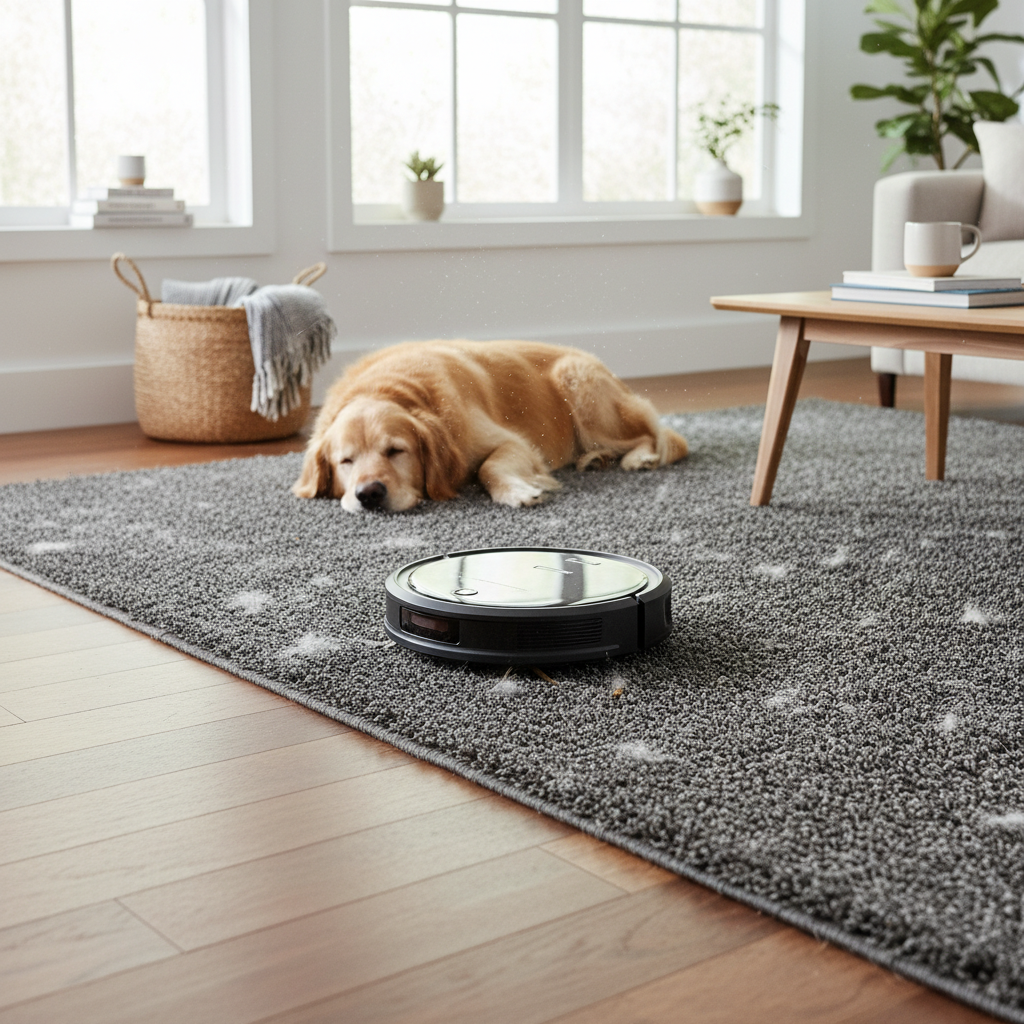
Waking up with a stuffy nose, itchy eyes, or a persistent cough can quickly dampen your day, especially when the culprits are hidden allergens right in your home. For millions of people worldwide who suffer from allergies and asthma, maintaining a pristine indoor environment is not just about tidiness—it’s about health and well-being. This is where the advanced technology of a robot vacuum cleaner, particularly those equipped with High-Efficiency Particulate Air (HEPA) filters, steps in as a game-changer. Imagine a world where tiny silent helpers tirelessly patrol your floors, capturing microscopic irritants before they ever have a chance to trigger your symptoms. This comprehensive guide will navigate you through the world of robot vacuum cleaners designed specifically to combat allergies, helping you breathe easier and live healthier.
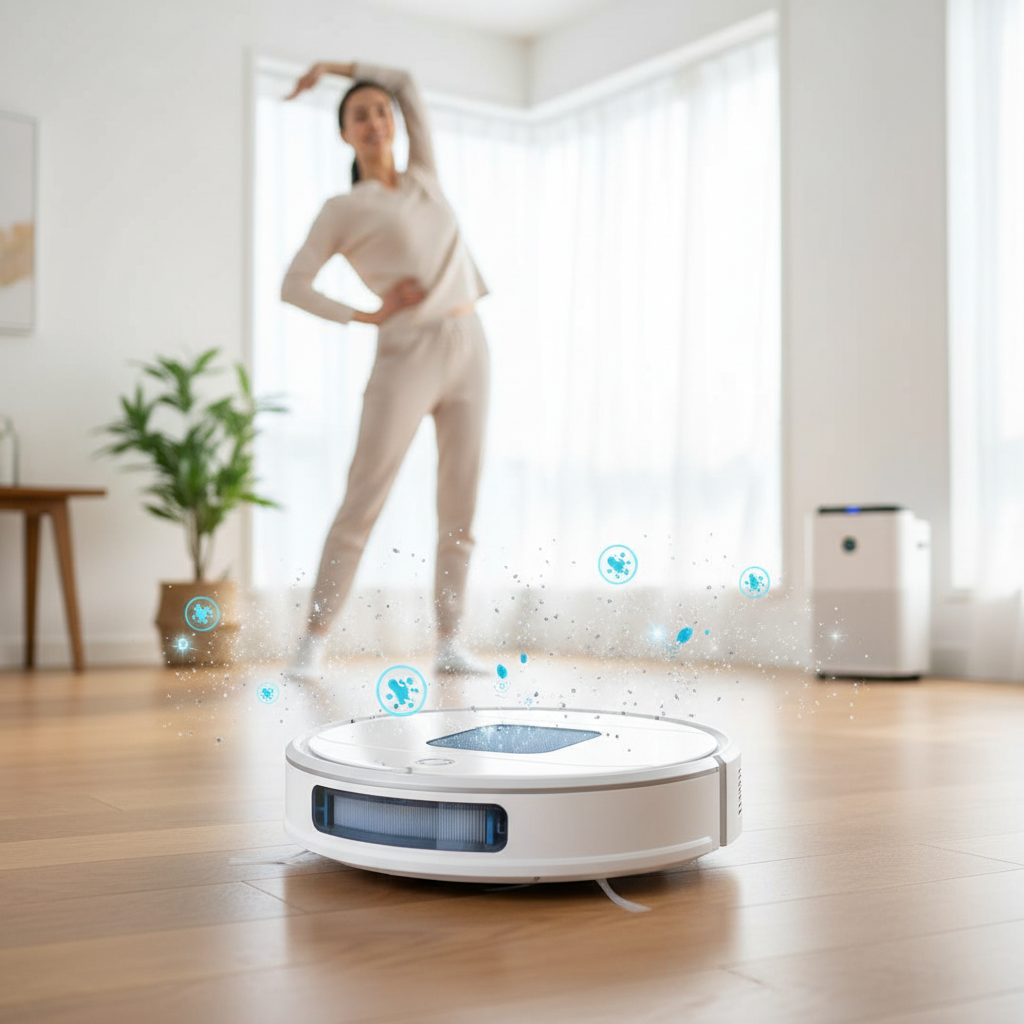
Robot Vacuum Cleaners: A Breath of Fresh Air for Allergy Sufferers
A robot vacuum cleaner is an autonomous device designed to clean floors with minimal human intervention. These intelligent machines utilize sensors, navigation systems, and powerful suction to methodically cover your home, removing dirt, dust, and debris. Their primary function is to automate routine cleaning, freeing up your time and effort. From their early, somewhat random movements, robot vacuums have evolved into sophisticated helpers capable of mapping entire homes and targeting specific areas with precision.
The silent struggle against allergens in your home is a daily reality for many. Invisible enemies like dust mites, pollen, pet dander, and mold spores can accumulate on surfaces and become airborne, triggering allergic reactions and exacerbating asthma symptoms. These microscopic particles often settle into carpets, upholstery, and even hard floors, becoming a constant source of discomfort. Without consistent and effective cleaning, your home can inadvertently become a haven for these irritants.
Robot vacuums are essential for allergy management because they offer consistent, automated cleaning that dramatically reduces your exposure to common allergens. Unlike manual vacuuming, which can stir up dust and require direct contact with dirty bins, robot vacuums can be scheduled to clean daily, or even multiple times a day, especially when you’re not home. This continuous removal of allergens from your floors and carpets significantly improves indoor air quality, making your living space a much healthier environment.
The Core of Clean Air: Understanding HEPA Filters
A HEPA filter is a specialized mechanical air filter designed to capture an exceptionally high percentage of airborne particles. Specifically, a true HEPA filter must trap 99.97% of particles that are 0.3 microns in diameter, which is the most penetrating particle size. These filters are incredibly effective at removing tiny allergens like dust mites, pollen, pet dander, and mold spores, as well as some bacteria and viruses, which are often missed by standard filters.
When choosing a robot vacuum, discerning between “True HEPA” and “HEPA-style” is critical to ensure genuine allergen removal. A “True HEPA” filter adheres to strict certification standards, guaranteeing its stated filtration efficiency. Many manufacturers use terms like “HEPA-type” or “HEPA-like” to describe filters that do not meet these rigorous criteria, which can be misleading regarding their actual performance against microscopic allergens. Always look for clear indications of true HEPA certification to ensure you’re getting the protection you need.
Beyond just the filter itself, the overall design of the robot vacuum plays a crucial role in allergen containment. Even the most efficient HEPA filter can be rendered less effective if the vacuum cleaner doesn’t feature a sealed system. A sealed system ensures that all the air drawn into the vacuum passes through the filter before being expelled back into the room. Without it, fine dust and allergens can leak out through cracks, seams, or poorly fitted components before reaching the filter, effectively re-releasing them into your air. This robust, leak-proof construction is paramount for truly capturing and containing allergens.
Key Features for Allergy-Friendly Robot Vacuums
Selecting the right robot vacuum for allergies involves looking beyond basic cleaning capabilities. Several features are paramount for ensuring your home is truly free from irritating particles.
Filtration System: The absolute cornerstone for allergy sufferers is a robust filtration system, specifically one featuring a True HEPA filter. These multi-stage filtration systems capture the smallest particles, preventing them from recirculating into your breathing air.
Sealed System: As vital as the HEPA filter itself, a sealed system ensures that every speck of dust and allergen collected stays within the vacuum until disposal. This prevents unfiltered air from escaping through cracks or gaps in the vacuum’s body, maintaining superior indoor air quality.
Self-Emptying Dustbin: For those with severe allergies, the act of emptying a dustbin can trigger symptoms. A self-emptying dustbin eliminates this problem by automatically transferring collected debris into a larger, sealed bag in the charging base, minimizing your direct contact with allergens.
Suction Power: While not the only factor, strong suction power is crucial, especially for homes with carpets or pets. A vacuum with ample Pascal (Pa) suction can effectively pull embedded dust, dander, and other allergens from deep within carpet fibers and crevices, typically above 5,500 Pa for effective allergen removal.
Mopping Functionality: For homes with hard floors, a robot vacuum with mopping capabilities offers an additional layer of cleanliness. Mopping effectively traps fine particles that might otherwise be disturbed and lifted into the air by vacuuming alone, providing a more thorough clean for allergy sufferers.
Navigation and Mapping: Advanced navigation and mapping systems (like Lidar or vSLAM) ensure the robot covers your entire home efficiently and systematically, without missing spots where allergens can accumulate. This intelligent movement provides comprehensive cleaning and optimal allergen removal.
Battery Life: A long-lasting battery life is essential to ensure the robot can complete its cleaning cycle without needing frequent recharges, especially in larger homes. Uninterrupted cleaning translates to more consistent allergen removal.
Brush Type: Look for robot vacuums with rubber brushrolls rather than traditional bristle brushes, particularly if you have pets. Rubber brushes are less prone to tangling with pet hair and are easier to clean, which is a significant advantage for maintaining efficiency and allergen capture.
Smart Features: Integration with smart home apps allows for scheduling daily cleanings, setting “no-go” zones, and adjusting cleaning modes, ensuring the robot works around your lifestyle. Some advanced models even feature “allergy season” modes, increasing cleaning frequency during peak pollen times.
Top Robot Vacuums with HEPA Filters for Allergy Relief
Choosing the best robot vacuum when managing allergies means prioritizing performance, filtration, and convenience. Here are some of the top models that consistently deliver on these fronts:
ECOVACS Deebot T8 AIVI: Often lauded as an excellent overall choice, the Deebot T8 AIVI combines hybrid laser and visual mapping for superior navigation and object avoidance. Its true HEPA filter effectively traps dust, dander, and pollen. The oscillating mop provides an added benefit for hard floors, capturing ultra-fine particles that vacuuming might miss. This model is ideal for large homes with mixed flooring types, offering intelligent and comprehensive cleaning.
Roborock S6 Pure: This flagship robot vacuum is a strong contender, featuring accurate Lidar navigation and a washable E-11 HEPA filter. The S6 Pure offers 2-in-1 vacuum and mop functionality, making it versatile for both hard floors and carpets. Its ability to clean and mop simultaneously ensures thorough allergen removal, especially on hard surfaces where mopping can be particularly effective at trapping the smallest particles.
Roomba i7+: The Roomba i7+ stands out, particularly for its innovative self-emptying base. This feature is a significant advantage for allergy sufferers, as it minimizes direct contact with collected dust and allergens for up to 60 days. It uses Roomba’s AeroForce HEPA filtration system and patented dual rubber brushes, which are highly effective at picking up pet hair and smaller particles, preventing them from becoming airborne.
Narwal Freo Z Ultra: For those seeking advanced cleaning capabilities, the Narwal Freo Z Ultra is a powerful option. It boasts a HEPA-certified dust bag and a patented self-cleaning mop system that uses hot water to prevent bacteria growth and odors. Its AI-driven DirtSense™ technology adjusts cleaning power for optimal results, ensuring even the smallest allergens are captured, which is crucial for maintaining a truly hygienic home environment.
Dreame X50 Ultra: This model offers exceptional suction power, reportedly up to 20,000 Pa, making it highly effective at deep cleaning and removing embedded allergens from carpets. The Dreame X50 Ultra also features a hot water mop (80°C), an auto dust-emptying system, and smart mapping. Its sealed system and dual tangle-free brushes contribute to its effectiveness in keeping allergy triggers at bay, especially for those with extensive carpeting or pets.
Detailed Comparison Table: Allergy-Friendly Robot Vacuums
| Criteria | ECOVACS Deebot T8 AIVI | Roborock S6 Pure | Roomba i7+ | Narwal Freo Z Ultra | Dreame X50 Ultra |
|---|---|---|---|---|---|
| Price Range | Mid-High | Mid | High | High | High |
| Filter Type | HEPA | Washable E-11 HEPA | AeroForce HEPA | HEPA-certified bag | Sealed System/HEPA |
| Self-Emptying | Optional | No | Yes (Clean Base) | Yes | Yes |
| Mopping | Oscillating Mop | 2-in-1 Vacuum & Mop | No (separate Braava) | Self-cleaning Mop | Hot water mop (80°C) |
| Navigation | Hybrid Laser & Visual | Lidar | iAdapt 3.0 w/ vSLAM | 3D Mapping | Smart Mapping |
| Suction Power | 1,500 Pa | Strong | Adaptive (strong) | Very Strong | 20,000 Pa |
| Special Features | Object Avoidance, Long Battery | Washable Filter, Voice Control | Dual Rubber Brushes, Dirt Detect | DirtSense™ AI, Auto-drying mop | Dual tangle-free brushes, Large area coverage |
| Ideal For | Large homes, mixed floors | Hard floors & carpets, voice control | Hands-free allergy sufferers | Advanced cleaning, pet owners | Deep cleaning, hard floor mopping |
How to Choose the Best Robot Vacuum for Your Allergies
Making the right choice in a robot vacuum involves a careful assessment of your specific needs and a clear understanding of what features truly combat allergens.
First, assess your needs thoroughly. Consider your home’s floor types—do you have mostly hard floors, carpets, or a mix? Do you have pets that shed a lot of dander? What is the size of your home, and what’s your budget? Understanding these factors will narrow down your options significantly.
Next, prioritize filtration and a sealed system. A true HEPA filter is non-negotiable for allergy sufferers, but remember it’s only as good as the seal around it. Ensure the vacuum has a fully sealed system to prevent allergens from escaping before filtration. “A sealed cleaning path guarantees allergens stay trapped from brushroll to dustbin, blocking escape routes via gaps in hoses, filters, or bin seams,” notes an expert at Smart Home Insider.
Then, consider convenience features that reduce your exposure to allergens. A self-emptying dustbin is a major plus, as it means less direct contact with collected dust. App control and scheduling capabilities allow you to run the robot when you’re not home, further minimizing your exposure to airborne particles as they are cleaned.
Read reviews and compare products carefully, specifically looking for feedback from other allergy sufferers. Their real-world experiences can provide invaluable insights into how well a particular model performs in an allergy-prone household. Pay attention to comments regarding filter effectiveness, suction on different surfaces, and overall dust containment.
Finally, remember that maintenance matters. Even with a self-emptying base, filters need regular cleaning or replacement (typically every six months). If you have a washable HEPA filter, ensure you follow the manufacturer’s instructions to maintain its efficiency. Minimizing contact during maintenance is key, so consider having someone without allergies handle filter changes if possible, or wear a mask.
Conclusion: Breathe Easier with the Right Robot Vacuum
Investing in a robot vacuum cleaner, especially one with a true HEPA filter and a sealed system, can be a transformative step toward managing allergies and creating a healthier home environment. These intelligent devices offer consistent, automated cleaning, significantly reducing your exposure to common triggers like dust mites, pet dander, and pollen. By carefully considering features such as self-emptying capabilities, strong suction, and smart navigation, you can select a model perfectly tailored to your needs.
Embrace the convenience and enhanced air quality that a high-performance robot vacuum can bring. By making this smart addition to your home, you’re not just buying a cleaning gadget; you’re investing in your health and comfort, allowing you to breathe easier and enjoy a cleaner living space every day. What steps will you take today to make your home an allergen-free sanctuary?
Frequently Asked Questions
How often should I run my robot vacuum if I have allergies?
|
Our Picks for the Best Robot vacuum cleaner in 2026
As an Amazon Associate I earn from qualifying purchases.
|
||
| Num | Product | Action |
|---|---|---|
| 1 | Tikom Robot Vacuum and Mop, 6000Pa Robotic Vacuum Cleaner with Self-Emptying Base, 90 Days Capacity, LiDAR Navigation, Home Mapping, Ideal for Pet Hair, Hard Floors, Carpet (L8000 Plus) |

|
| 2 | roborock Qrevo Series Robot Vacuum and Mop, 8000Pa Suction, Upgraded from Qrevo S, Anti-Tangle Brushes, Smart Obstacle Avoidance, Auto Mop Washing, All-in-One Dock, 200RPM Spinning Mops, Black(QV 35A) |
|
| 3 | Robot Vacuum and Mop Combo, 2 in 1 Robot Vacuum Cleaner with WiFi/App, Smart Robotic Vacuums with Strong Suction, Schedule, Self-Charging, Slim, Quiet, Ideal for Hard Floor, Pet Hair, Low Pile Carpet |
|
| 4 | Robot Vacuum and Mop, Mapping Robotic Vacuums Cleaner with LiDAR Navigation Smart & Strong Suction, WiFi/App/Alexa/Voice Control, Obstacle Avoidance, for Home, Wood/Hard Floors, Pet Hair -Gray |
|
| 5 | Shark Matrix Clean | Robot Vacuum Cleaner with Powerful Suction for Pet Hair, Rugs, Carpets & Hard Floors | Self-Empty Base | 60-Day Capacity | Voice Control | LiDAR Navigation | Cool Grey | AV2511AE |
|
| 6 | roborock Q7 M5+ Robot Vacuum and Mop, Upgraded from Q5 Max+, Up to 7-9 Weeks Self-Empty, 10000Pa Suction, Dual Anti-Tangle System for Pet Hair & Carpet, PreciSense LiDAR Navigation, App Control, Black |
|
| 7 | Tikom Robot Vacuum and Mop Combo, 5000Pa Robotic Vacuum Cleaner, 150 Min Max, App & Remote Control, Ideal for Hard Floor, Carpet, Pet Hair, Self-Charge(G8000 Max) |
|
| 8 | eufy Robot Vacuum 11S MAX, Super Thin, Powerful Suction, Quiet, Self-Charging Robotic Vacuum Cleaner, Cleans Hard Floors to Medium-Pile Carpets, Black |
|
| 9 | SHELIKI Robot Vacuum and Mop Combo, 3-in-1 Robotic Vacuums Cleaner with 70-Day Self-Emptying Base, LiDAR Navigation Smart Mapping & Strong 6000Pa Suction, for Pet Hair, Hard Floor, Carpet |
|
| 10 | ILIFE V2 Robot Vacuum Cleaner, Tangle-Free Suction, 120 Mins Runtime, Slim, Self-Charging Robotic Vacuum Cleaner, Ideal for Pet Hair and Hard Floors |
|
For optimal allergy relief, it’s recommended to run your robot vacuum daily, especially if you have pets or severe allergies. Frequent cleaning helps to continuously remove allergens from surfaces before they can accumulate and become airborne. Scheduling your robot to clean while you are out of the house can also minimize exposure to any particles that might be temporarily stirred up.
Can robot vacuums truly replace traditional vacuums for allergy relief?
While robot vacuums with HEPA filters are highly effective for daily maintenance and significant allergen reduction, they may not entirely replace a powerful traditional vacuum for deep cleaning, especially on heavily soiled carpets or for reaching tight corners. However, for consistent surface cleaning and maintaining good indoor air quality, they are an indispensable tool for allergy sufferers.
Are all “HEPA filters” the same?
No, not all filters marketed as “HEPA” are created equal. A true HEPA filter meets specific standards, capturing 99.97% of particles 0.3 microns in size. Some filters are labeled “HEPA-like” or “HEPA-type,” which may not meet these stringent criteria and therefore offer less effective filtration against fine allergens. Always look for certified True HEPA filters.
How often should I clean or replace the HEPA filter in my robot vacuum?
HEPA filters in robot vacuums generally need to be cleaned regularly and replaced approximately every six months, though this can vary based on usage and manufacturer recommendations. If you have washable HEPA filters, ensure they are thoroughly dried before reinstallation. For allergy sufferers, frequent checking and timely replacement are crucial to maintain optimal filtration efficiency.
Do robot vacuums help with pet hair allergies?
Yes, robot vacuums, especially those with strong suction, specialized rubber brushrolls, and true HEPA filters, are highly effective at collecting pet hair and dander. By running regularly, they can significantly reduce the amount of pet allergens in your home, leading to noticeable relief for pet allergy sufferers. Models with self-emptying bins are particularly beneficial as they prevent contact with accumulated pet dander.